

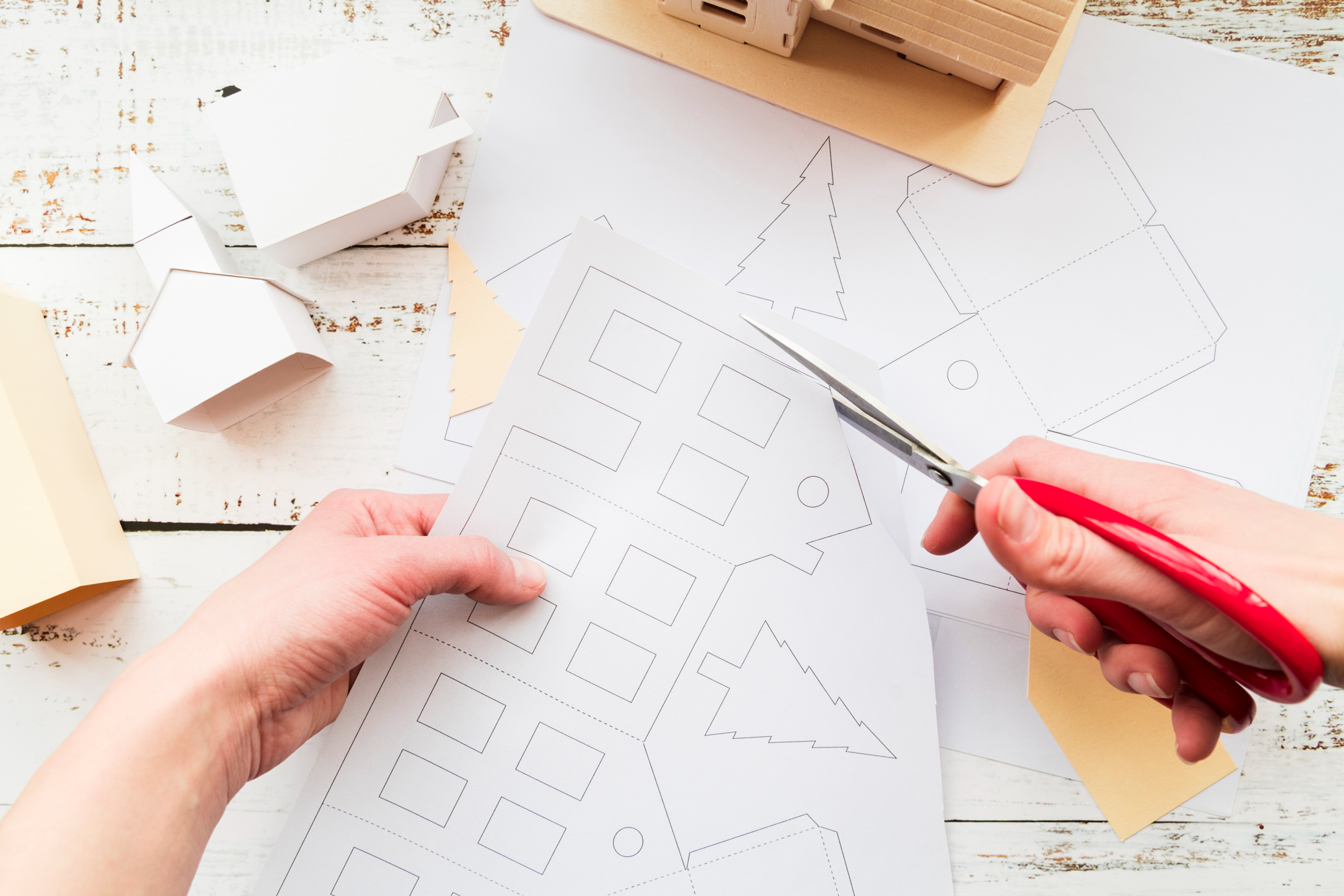
Many industries end up needing materials that are trimmed into specific shapes and exact sizes. Doing all that trimming by hand can take a ton of time, plus it may not always come out the same every single run. Custom die-cutting kind of solves that problem because it provides a practical way to make precise parts and components for lots of different products.
Provides Consistent Results
If the die is designed correctly in the first place, it can be reused to make dozens, maybe hundreds, of pieces with the same shape and size. This really helps companies who need large volumes of identical components. When the parts stay consistent, production runs more smoothly, and it also cuts down on weird issues caused by tiny size differences or odd shape variations.
Supports Different Materials
Different industries work with different substances, and custom die cutting can be adapted for many uses. Depending on the equipment and the job, the material list could include foam, rubber, felt, films, paper, fabric, and various plastics. Before choosing any cutting approach, businesses should consider thickness, flexibility, strength, and what the material is actually supposed to do.
Useful in Manufacturing
Custom die cutting can produce those pieces to exact measurements. For instance, die-cut materials can be used for gaskets, seals, protective components, insulation pieces, labels, and a wide range of other product parts. More accurate cutting means a better fit during assembly, which usually helps reduce rework.
Applications in Packaging
Packaging is another area where custom die cutting shows up. Packaging materials often need to be cut into specific shapes, either to protect the item inside or to create a clean, appealing look. Custom-cut inserts, labels, protective sections, and other packaging components can be made to match a product’s size, its shape, and the intended layout.
Helpful for Electronics
Electronic products usually have small parts that need careful placement and extra protection, and it’s not always as simple as it sounds. For example, die-cut materials can be used to create insulation, cushioning, protective layers, and even adhesive segments that stay in place during use.
What’s being done in practice really depends on the product layout and the material that’s involved. Sometimes the right solution is mostly about fit, sometimes it’s about durability, or just how the component behaves after assembly.
Benefits for Medical Products
Many medical products rely on materials formed in specific ways, not just cut in general. They may need shaped pieces for packaging, protection, or other functions that have to work reliably. With custom cutting, manufacturers can design components that match very specific size details and design constraints.
Since medical products often come with strict quality requirements, companies should collaborate with qualified manufacturers and adhere to all relevant industry standards. It’s better to get it right early rather than fix it later.
Saves Time in Large-Scale Production
After the cutting tool is made and the production method is locked in, businesses can produce many pieces quickly and pretty consistently. That matters a lot for companies that need the same component again and again
The total savings, of course, depend on factors such as material choice, production volume, overall design complexity, and any special requirements tied to the manufacturing setup.