

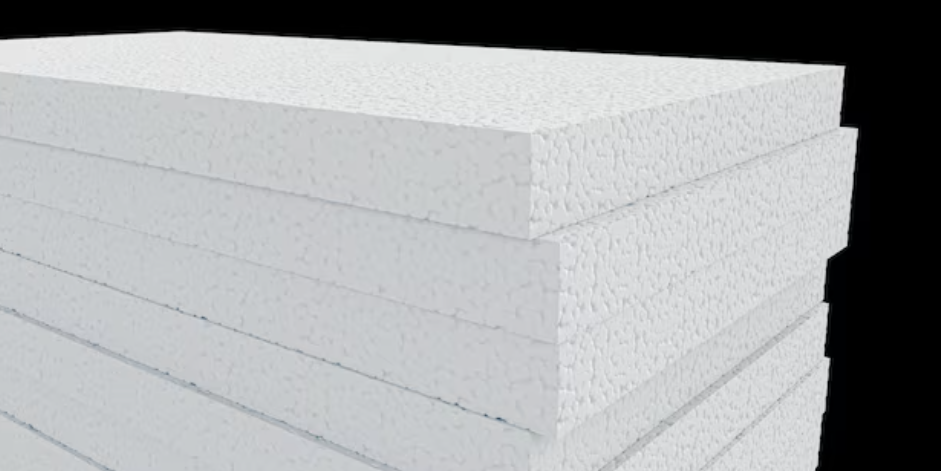
Choosing the right material for a construction project can have a major impact on its performance, durability, and overall cost. Geofoam is a lightweight material often used to reduce loads, improve stability, and simplify construction. However, different projects may require different foam properties. Understanding the requirements of ASTM D6817 geofoam can help project teams select a suitable product for their specific application.
Understand Your Project Requirements
The first step is to understand what the geofoam needs to accomplish. Consider the location, purpose, expected loads, and surrounding soil conditions. Geofoam may be used for road construction, bridge approaches, landscaping, embankments, retaining structures, and other applications where reducing weight is important.
The required performance of ASTM D6817 geofoam depends on how it will be used. A project carrying regular vehicle traffic may have different requirements from a lightweight landscaping application. Clearly defining the purpose of the material makes the selection process easier.
Check Density and Strength
Density is an important factor when selecting geofoam. Lower-density products are very lightweight, which can be useful when the main goal is to reduce pressure on underlying soil. However, the material must also provide enough strength for the expected conditions.
When selecting ASTM D6817 geofoam, review its compressive strength and other relevant properties. The selected grade should be able to handle the expected loads without excessive deformation. Engineers can use project load calculations to determine the appropriate strength level.
Consider the Installation Environment
The environment where the geofoam will be installed should also influence your choice. Think about exposure to moisture, temperature changes, soil pressure, and construction activities. Although geofoam is lightweight and relatively easy to handle, it still needs suitable protection and installation practices.
For projects using ASTM D6817 geofoam, the material should be selected according to the conditions it will experience during construction and throughout its service life. Proper drainage, protective layers, and other design measures may be needed depending on the application.
Review ASTM D6817 Requirements
ASTM D6817 provides a standard for rigid cellular polystyrene geofoam used in construction. Reviewing the relevant requirements helps ensure that the selected product has properties appropriate for the intended use.
Project professionals should check product documentation and technical data before making a final decision. Information such as density, compressive resistance, dimensional stability, and other specified characteristics can help with comparing products. Selecting ASTM D6817 geofoam that matches the project’s technical requirements can support consistent construction results.
Consider Handling and Installation
One of the main benefits of geofoam is its low weight. Large blocks can often be moved and positioned more easily than many traditional fill materials. This can help reduce the need for heavy equipment and may simplify certain construction activities.
However, installation still requires careful planning. The design should account for block placement, joints, protection, and finishing materials. When using ASTM D6817 geofoam, following the supplier’s handling and installation guidance can help maintain the material’s intended performance.
Compare Products and Technical Data
Once the project requirements are clear, compare available products based on their technical properties rather than price alone. Product documentation can help identify differences in density, strength, and other characteristics.
It is also useful to discuss the project with qualified engineers or experienced suppliers. They can help determine whether a particular grade of ASTM D6817 geofoam is appropriate for the expected loads and site conditions.
Conclusion
Selecting the right geofoam requires a clear understanding of the project’s purpose, loading conditions, environment, and installation requirements. By reviewing technical specifications and choosing ASTM D6817 geofoam that matches the project’s needs, construction professionals can make a more informed material selection. Careful planning and proper installation can further support reliable performance and efficient construction.