

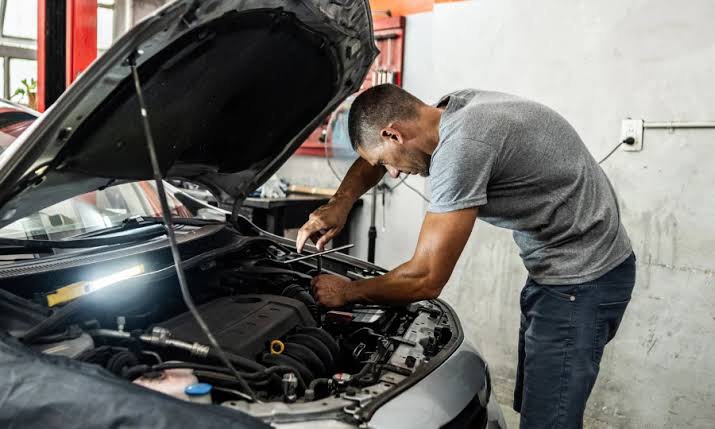
Vehicle upgrade spending can quietly become more expensive than the problems owners are trying to solve. Trading a functioning car for newer technology, different styling, or modest convenience gains may restart depreciation and financing costs. Keeping a vehicle longer can be financially practical when it’s reliable, safe, suitable for your needs, and reasonably economical to maintain.
Separate Needs From Upgrade Wants
A failing transmission and an outdated infotainment screen are not equivalent problems. One affects whether the vehicle can perform its basic job; the other may mainly affect convenience.
Before shopping for another car, write down what your current vehicle can no longer do. If the answer is mostly about appearance or newer features, compare the cost of targeted improvements with replacing the entire vehicle.
Modern automotive upgrade technology can make older vehicles feel more useful, but modifications should still solve a specific problem. Spending repeatedly on upgrades with no clear goal can become another form of unnecessary ownership cost.
Compare Repairs With Replacement Costs Properly
Owners sometimes react to one large repair estimate by assuming the vehicle should immediately be replaced. That conclusion can be premature.
Compare the repair with what replacing the car would actually require: purchase price, financing charges, registration, taxes, insurance differences, depreciation, and any immediate maintenance needed on the replacement.
| Decision Factor | Keep Current Car | Replace Vehicle |
|---|---|---|
| Repair expense | May require one large payment | May avoid current repair |
| Depreciation | Often slower on older vehicles | Can become a larger cost |
| Financing | May already be paid off | New payment may begin |
| Reliability | Depends on current condition | Depends on replacement |
Spend on Maintenance Before Cosmetic Changes
Routine maintenance isn’t exciting, but it usually deserves priority over optional upgrades. Tires, brakes, fluid service, suspension problems, cooling-system issues, and warning lights can affect reliability or safety in ways cosmetic modifications don’t.
For owners managing projects themselves, organized garage project planning can help distinguish necessary work from jobs that can wait. Create separate budgets for maintenance, repairs, and optional improvements instead of treating all spending as one category.
A modification shouldn’t consume money that you may soon need for essential mechanical work.
Upgrade the Part, Not Necessarily the Whole Car
Sometimes one weak feature is making an otherwise suitable vehicle frustrating. Replacing worn seat materials, improving lighting where legal, updating audio equipment, adding compatible connectivity features, or repairing climate control may extend satisfaction without requiring another car.
Owners exploring vehicle customization options should set a ceiling before starting. Small projects can accumulate until the total spending approaches the cost difference between keeping and replacing the car.
Resale value also deserves realism. A modification that matters to you may add little value to the next buyer.
Where Keeping a Car Longer Stops Making Sense
Keeping an older vehicle isn’t automatically the cheapest choice forever. Persistent breakdowns, serious corrosion, difficult parts availability, recurring electrical problems, major safety concerns, or repair costs that continually disrupt your budget can change the calculation.
Suitability matters as well. A vehicle can run perfectly and still no longer meet family, accessibility, cargo, or commuting needs.
Avoid the opposite mistake too: replacing a car simply because one repair feels expensive. Compare the next 12 to 24 months of likely ownership costs rather than reacting to a single invoice.
Frequently Asked Questions
Is it cheaper to keep an old car than buy a new one?
It can be, especially when the older vehicle is paid off, reliable, and not demanding frequent major repairs. The answer depends on maintenance, future repairs, fuel use, insurance, and replacement cost.
Should I upgrade an older car before selling it?
Only selectively. Repairs that improve basic function or address obvious problems may help, but expensive personalization doesn’t guarantee a matching increase in resale value.
How do I know when repair spending is too high?
Track repairs over time instead of judging one bill alone. Compare expected future repairs and downtime with the complete cost of replacing the vehicle, including financing, depreciation, taxes, registration, and insurance.
Keep the Car While the Math Still Works
Judge the vehicle by reliability, safety, usefulness, and total ownership cost rather than age alone. Handle necessary maintenance first, choose upgrades that solve genuine problems, and track spending before it becomes scattered. Vehicle upgrade spending is easier to control when every dollar has a clear purpose and replacement happens because the numbers support it.