

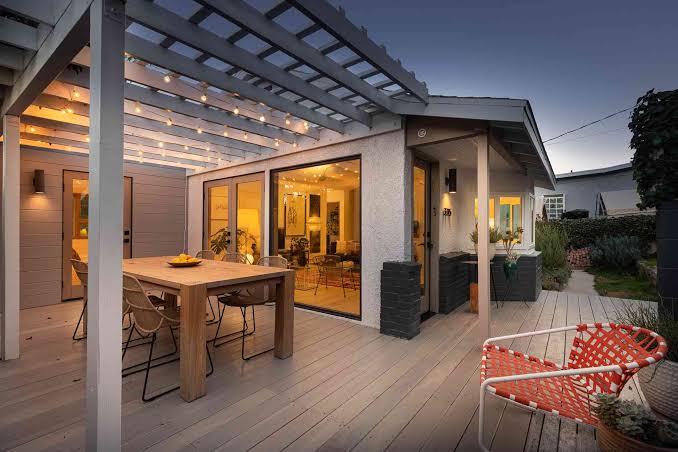
Outdoor lighting should make paths, steps, and entrances easier to see without turning the yard into an overly bright stage. More fixtures aren’t automatically better. Good lighting comes from placing moderate light where people need visual guidance while keeping glare, harsh shadows, and unnecessary spill under control.
Identify the Areas That Actually Need Light
Walk through the outdoor space after dark and note where visibility drops. Changes in level, steps, gates, doorways, and tight turns usually deserve more attention than open lawn.
Prioritizing these areas keeps the project focused. It also prevents the common mistake of installing evenly spaced fixtures everywhere simply because there is room for them.
Ideas from home improvement reading can help with overall planning, but the final layout should respond to the way people actually move through the property.
Use Several Gentle Light Sources
One powerful fixture can create harsh contrast between bright and dark areas. Several lower-intensity sources often provide better visual guidance.
Path lights, step lighting, wall fixtures, and carefully directed landscape lights can each serve different purposes. The goal is layered visibility rather than maximum brightness.
Keep Fixtures Below Eye Level Where Possible
Path lights work best when their light reaches the walking surface without shining directly into people’s eyes. Fixture height, shielding, and direction all matter.
A light that seems comfortable from inside the house may create unpleasant glare for someone approaching from the opposite direction, so check the installation from several viewpoints.
| Area | Lighting Goal | Common Mistake |
|---|---|---|
| Path | Show walking edge | Excessive brightness |
| Steps | Reveal level changes | Deep shadows |
| Door | Identify entrance | Glare at eye level |
| Patio | Comfortable visibility | Lighting every corner |
Consider Color Temperature and Ambience
Lighting can change how outdoor materials and plants look after dark. Extremely cool or harsh light may make a relaxing patio feel more commercial than comfortable.
A softer appearance is often suitable around seating and entrances, while task-oriented areas may need clearer visibility. Consistency between nearby fixtures usually matters more than making every bulb identical.
Design inspiration from interior and exterior styling can help homeowners think about how light interacts with wall texture, finishes, and architectural features.
Avoid Lighting the Entire Yard
Darkness isn’t automatically a design flaw. Leaving some areas quieter can create contrast, reduce unnecessary light spill, and make important pathways easier to identify.
Outdoor spaces also benefit when fixtures are aimed carefully rather than broadcasting light in every direction. Shielding can help keep illumination closer to the intended surface.
Planning concepts from relaxed home spaces can be applied outside by focusing on comfort and function rather than filling every visible area with decorative features.
Where Outdoor Lighting Plans Go Wrong
A common mistake is judging fixtures only during installation. Outdoor lighting should be tested after full darkness, from the sidewalk, driveway, windows, seating areas, and the path itself.
Another problem is ignoring maintenance. Dirty lenses, overgrown plants, shifted fixtures, and failing bulbs can gradually reduce performance. Sometimes a poorly lit path needs cleaning and repositioning rather than additional fixtures.
Frequently Asked Questions
How bright should outdoor path lights be?
They should provide enough light to identify the walking surface and changes in level without producing uncomfortable glare. Exact brightness depends on fixture design, spacing, surroundings, and existing ambient light.
How far apart should path lights be?
There is no universal spacing. Fixture output, beam shape, pathway width, landscaping, and nearby lighting all affect placement. Test the pattern at night before permanently installing multiple fixtures.
Should outdoor lights stay on all night?
That depends on security, access, local conditions, and the lighting system. Timers, sensors, or other controls can reduce unnecessary operation while still providing light when it is useful.
Light the Route, Not Everything Around It
An effective outdoor lighting plan helps people understand where to walk and where surfaces change. Begin with entrances, steps, and paths, then add only the light needed to close meaningful dark gaps. Careful aiming and moderate output usually create a more comfortable result than simply installing brighter fixtures everywhere.