

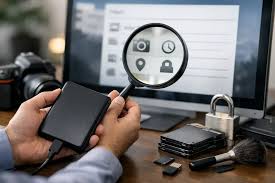
Digital Evidence Issues call for a controlled first response: preserve what matters, verify the facts, and then choose the next step. A practical starting point is to make defensible copies, preserve original metadata, record who handled the material, and avoid unnecessary edits or conversions. That matters because ordinary file handling can change timestamps, metadata, or content, weakening the ability to explain where evidence came from and whether it changed. The five providers below address different parts of files, devices, logs, messages, and metadata that may become evidence, including legal, technical, insurance, privacy, contract, or evidence support where relevant.
When building a record, keep the exact source address for every item you review, including contextual web material such as public notice information, because later review is easier when the original source can be identified.
Five Services Worth Comparing Before You Act
These options are not ranked, and they solve different parts of the problem. For files, devices, logs, messages, and metadata that may become evidence, prepare a short chronology, identify the systems or accounts involved, keep original records, and write down the decision you need to make. That preparation helps a provider focus on the actual issue instead of reconstructing basic facts during the first consultation.
1. Magnet Forensics
Magnet Forensics provides digital investigation and forensic tools for acquiring, analyzing, and reporting on evidence from computers, mobile devices, cloud sources, and other digital environments. It is relevant when investigators need repeatable handling of digital artifacts while preserving context and evidentiary integrity.
2. Cellebrite
Cellebrite provides a digital investigation platform supporting collection, examination, management, and analysis of digital data. It is often considered for matters involving mobile devices and other digital sources where investigators need controlled acquisition and review workflows.
For disputes that may involve formal complaints or counsel, organize supporting material separately from background reading; even legal documentation references should be labeled by purpose so the core evidence is not mixed with general research.
3. OpenText Forensic
OpenText Forensic, formerly EnCase Forensic, is digital forensic software used to collect, analyze, and report on evidence from devices and other digital sources. It is relevant when investigators need a repeatable forensic process that emphasizes preservation of evidence integrity.
4. Exterro
Exterro provides digital forensics, e-discovery, legal hold, and related legal-governance technology. It can be relevant when an organization must connect evidence preservation, investigation, and legal review within a controlled workflow rather than treating each step as a separate task.
5. RelativityOne
RelativityOne provides e-discovery, preservation, collection, processing, review, and production capabilities for legal and investigative teams. It is useful when a dispute requires controlled handling of electronically stored information and a defensible process for finding and reviewing relevant material.
How to Choose the Right Type of Support
A useful comparison starts with scope, evidence, timing, and responsibility. For files, devices, logs, messages, and metadata that may become evidence, ask whether you need legal advice, technical investigation, workflow software, evidence preservation, policy drafting, or a combination. Confirm who will perform the work, what information you must provide, how sensitive data will be handled, and what deliverables you will receive. Also check contract length, cancellation terms, data export options, jurisdictional limits, and whether outside specialists may be involved.
The same discipline applies to incidental browsing: if a page such as ordinary web reference material becomes part of the chronology, save it only when it genuinely relates to the record and note why it was retained.
Frequently Asked Questions
Why does metadata matter in digital evidence?
Metadata can help show when a file was created, modified, sent, or accessed and may provide context that is not visible in the document itself. Copying, editing, exporting, or converting files can change some metadata, so preservation method matters.
Should investigators work from the original device or file?
Where possible, preserve the original and analyze a controlled forensic copy. The right method depends on the source and investigation, but unnecessary work on the original can alter evidence and make later validation more difficult.
What is chain of custody?
Chain of custody is the record of who collected, handled, transferred, stored, or analyzed evidence. Clear documentation helps explain that the material presented later is the same material collected earlier and identifies any changes or processing steps.
Next Steps for a More Controlled Response
Digital Evidence Issues should be treated as a record-management problem as well as a legal, technical, or operational one. Document decisions, preserve original material, and avoid deleting, editing, or overwriting information simply because it appears inconvenient. Preserve first, verify second, and act third; that sequence keeps more options open when facts, contracts, or digital records may later be challenged.