

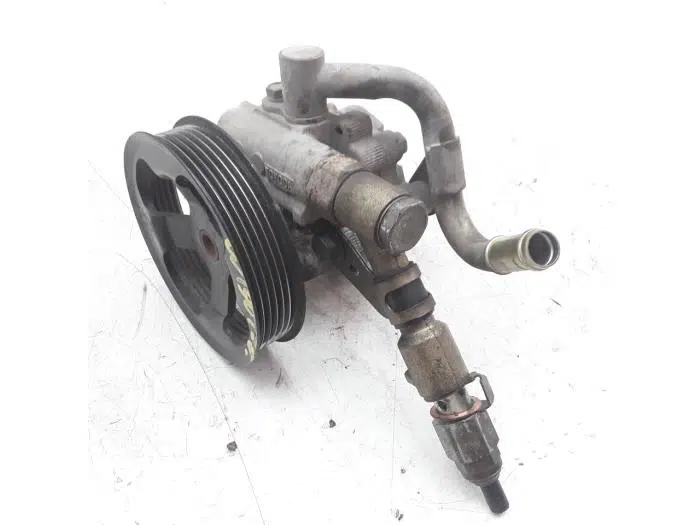
Toyota power steering systems are essential for smooth handling, safe driving, and precise vehicle control. Whether dealing with hydraulic or electric systems, understanding how Toyota power steering works can help drivers avoid costly repairs and maintain long-term performance. This guest post by automotive specialists at Yotamasters provides practical insights into how these systems function, common issues to watch for, and maintenance strategies that improve reliability. For Toyota owners, learning the basics of Toyota power steering is not just about convenience, it’s about safety, efficiency, and preserving vehicle value over time.
Understanding Toyota Power Steering Systems
The Toyota power steering system is designed to reduce the effort required to turn the steering wheel, especially at low speeds or during parking maneuvers. Modern Toyota vehicles typically use Electric Power Steering (EPS), while older models rely on hydraulic systems.
Hydraulic systems use fluid pressure generated by a pump, while EPS systems rely on an electric motor and sensors to assist steering input. Both systems aim to deliver smooth, responsive handling.
Key components include:
- Steering rack and pinion
- Power steering pump (hydraulic systems)
- Electric motor (EPS systems)
- Steering angle sensors
- Fluid reservoir (if hydraulic)
Understanding these components helps diagnose issues early and maintain optimal performance.
Common Toyota Power Steering Problems
Even though Toyota vehicles are known for reliability, Toyota power steering systems can still develop issues over time. Recognizing early warning signs can prevent expensive repairs.
1. Heavy or stiff steering
If turning the wheel feels harder than usual, it may indicate low fluid levels (hydraulic systems) or a failing electric motor (EPS systems).
2. Unusual noises
Whining, grinding, or squealing sounds often suggest air in the system or a worn pump.
3. Fluid leaks
Hydraulic systems may develop leaks from hoses or seals, reducing steering efficiency.
4. Warning lights
EPS-equipped Toyota models may trigger a dashboard warning light when sensors or the motor malfunction.
5. Jerky steering response
Inconsistent steering feedback can signal electrical or mechanical faults that require immediate inspection.
Addressing these issues early ensures safer driving and prevents further damage to the Toyota power steering system.
Maintenance Tips for Toyota Power Steering
Proper maintenance plays a key role in extending the lifespan of your Toyota power steering system. Regular inspections and preventive care can reduce the risk of failure.
Regular fluid checks (hydraulic systems)
- Check fluid levels monthly
- Replace fluid every 50,000–75,000 miles (or as recommended by Toyota)
- Use manufacturer-approved steering fluid
Inspect belts and hoses
Worn belts or cracked hoses can lead to system failure. Replace them immediately if damage is visible.
Keep sensors clean (EPS systems)
Electric systems rely heavily on sensors. Dirt or corrosion can interfere with accuracy.
Avoid turning the wheel at full lock
Holding the steering wheel at full lock for extended periods puts unnecessary strain on the system.
Schedule professional inspections
Routine diagnostics help detect hidden issues before they become serious problem
Troubleshooting Toyota Power Steering Issues
When problems arise, understanding basic troubleshooting steps can save time and money before visiting a technician.
Step 1: Check fluid levels
Low fluid is one of the most common causes of steering difficulty in hydraulic systems.
Step 2: Inspect for leaks
Look under the vehicle for signs of dripping or wet components.
Step 3: Reset electrical systems
In EPS systems, disconnecting the battery for a short period may reset minor sensor glitches.
Step 4: Scan for error codes
A diagnostic scanner can identify EPS-related faults quickly.
Step 5: Test steering response
If steering feels inconsistent after checks, professional diagnosis is recommended.
These steps help narrow down the root cause of Toyota power steering problems efficiently.
Why Professional Service Matters
While basic maintenance can be handled by vehicle owners, advanced issues require expert attention. Certified technicians ensure that Toyota power steering systems are repaired using proper tools, diagnostics, and OEM-quality parts.
Working with experienced automotive specialists ensures accurate diagnosis and long-term reliability. Professional servicing also reduces the risk of improper repairs that could lead to steering failure or safety hazards.
Preventing Costly Toyota Power Steering Repairs
Preventive care is always more affordable than emergency repairs. Drivers can extend system life by following simple habits:
- Avoid aggressive steering movements
- Address leaks immediately
- Keep up with scheduled maintenance
- Use recommended fluids and parts
- Pay attention to early warning signs
These practices not only improve driving comfort but also preserve the integrity of the Toyota power steering system.
Conclusion
The Toyota power steering system plays a critical role in vehicle safety, comfort, and performance. Whether your Toyota uses hydraulic or electric steering, regular maintenance and early issue detection are essential for avoiding costly repairs. Understanding how the system works, recognizing common problems, and following proper care routines can significantly extend its lifespan.
For professional inspection, diagnostics, and repair solutions, trusted automotive experts such as Yotamasters provide reliable services designed to keep your vehicle operating smoothly.
By staying proactive, Toyota owners can ensure their power steering system remains responsive, safe, and efficient for years to come.