

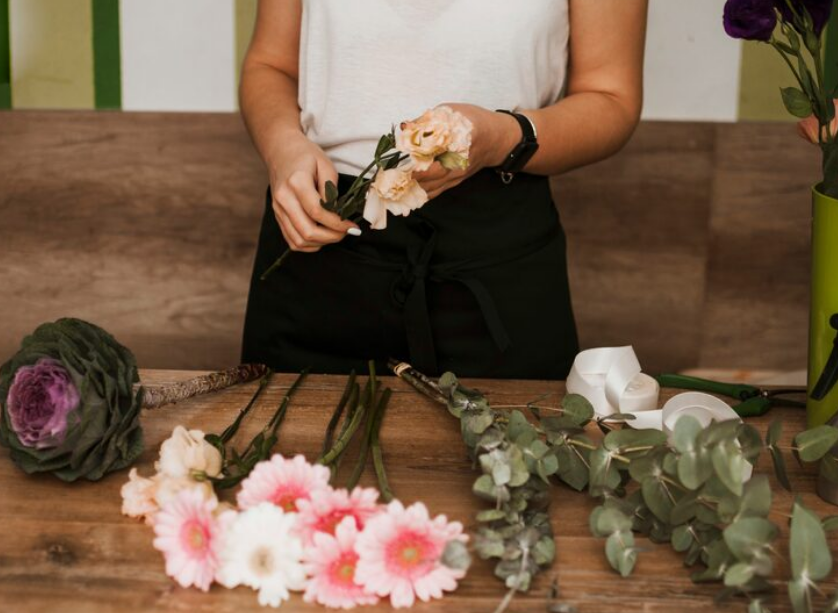
Understanding Boutonnieres and Corsages
What is a Boutonnière?
A boutonnière is a small floral arrangement, traditionally worn by men on the left lapel of a suit jacket or tuxedo. Think of it as a little splash of nature to dress up a formal outfit. The word itself comes from French, meaning ‘buttonhole,’ which is exactly where it used to be tucked. It’s a classic touch that adds a bit of personality and flair, often seen at weddings, proms, or other special events. These tiny floral accents have a long history of signifying elegance and individuality.
What is a Corsage?
A corsage is also a floral arrangement, but it’s typically worn by women. Unlike a boutonnière, a corsage is usually worn on the wrist, often attached to a decorative band or ribbon, or it can be pinned to a dress or jacket. Corsages are often given to mothers, grandmothers, or other significant female figures at events like weddings or proms, serving as a symbol of honor and recognition.
The Significance of Floral Accessories
Boutonnieres and corsages are more than just pretty decorations; they carry meaning. They’re a way to tie together the look of a wedding party or a special couple, creating a sense of unity. They can also reflect the overall theme or style of an event. For instance, a rustic wedding might call for boutonnieres with wildflowers and twine, while a formal gala might feature a sleek orchid corsage.
Here’s a quick look at common roles for these accessories:
- Groom and Groomsmen: Boutonnières are standard for the main men in the wedding party.
- Parents of the Couple: Both mothers and fathers might wear boutonnieres or corsages.
- Grandparents: Often honored with corsages or boutonnieres.
- Special Guests: Sometimes, close family friends or mentors are also given these floral tokens.
Choosing the right floral accessory is about more than just picking a pretty flower. It’s about adding a personal touch that complements the attire and honors the occasion. Whether it’s a simple bloom for a lapel or an elaborate arrangement for a wrist, these details make a difference.
Choosing the Perfect Boutonniere
So, you need a boutonniere. It might seem like a small detail, but honestly, it can really tie an outfit together. It’s not just about sticking a flower on a lapel; it’s about picking something that says something about the wearer or the event. Let’s break down some popular styles.
Classic Single Flower Boutonnières
This is the go-to for a reason. It’s simple, elegant, and usually features one standout bloom. Think a single, perfect rose, a sophisticated orchid, or even a clean-lined calla lily. It’s a timeless choice that works for almost any occasion, from weddings to formal dances. The key here is the quality of the single flower; it needs to be flawless.
Mixed Blooms and Minimalist Styles
If a single flower feels a bit too plain, you can go for a mixed bloom boutonniere. This is where you might see a few smaller flowers combined with some greenery, maybe some interesting textures like berries or herbs. It adds a bit more visual interest. On the flip side, there’s the minimalist approach. This is super modern and often just uses a sprig of greenery or a very small, subtle bloom. It’s great if you want something understated or if your outfit is already quite busy.
Rustic Boutonnières for Outdoor Events
Planning something outdoorsy? A rustic boutonniere fits right in. These often incorporate natural elements like twine, burlap accents, or sprigs of herbs like rosemary or lavender. They have a more relaxed, down-to-earth vibe. They’re perfect for garden weddings, barn dances, or any event where you want that natural, organic feel.
The Pocket Square Boutonniere Alternative
Here’s a trend that’s gaining traction: the pocket square boutonniere. Instead of pinning a flower to your lapel, the floral arrangement is designed to be tucked into your suit’s breast pocket, often alongside or as part of a pocket square. It gives a really clean, sharp look and avoids any potential pinholes in your jacket. It’s a modern twist that’s pretty easy to pull off.
When picking your boutonniere, think about the overall look you’re going for. Is it formal and classic, or more relaxed and natural? The style of the boutonniere should match the vibe of the event and the outfit it’s paired with.
Selecting Flowers for Your Boutonniere
When it comes to choosing flowers for a boutonniere, it is not just about grabbing any bloom. You want something that looks good, feels right, and maybe even tells a little story. The style, the colors, and the overall vibe should match the person wearing it as well as the occasion. For a boutonniere that is thoughtfully designed and beautifully crafted, Flower Imagination is an excellent choice. Their florists understand how to create pieces that feel personal and meaningful, ensuring your boutonniere stands out in the best way.
Timeless Rose Boutonnières
Roses are kind of the go-to for a reason. They’re classic, they look good on pretty much anyone, and they come in so many colors. A single, perfect rose is always a safe bet. You can go with a deep red for a bit of drama, a soft pink for romance, or even a crisp white for a clean look. They just have this elegant vibe that works for almost any event, from a wedding to a fancy dinner.
Exotic Orchid Boutonnières
If you want something a little more unique, orchids are a fantastic choice. They have this really cool, almost architectural shape that stands out. They can feel a bit more modern or even tropical, depending on the type of orchid you pick. They’re definitely a way to go if you want the boutonniere to be a real statement piece without being too over the top.
Considering Seasonal Blooms
Don’t forget about what’s in season! Using flowers that are naturally blooming when your event happens can make a big difference. It often means they’ll look fresher and might even be a bit more budget-friendly. Plus, it connects your floral choice to the time of year, which is a nice touch. Think about what flowers are typically available in spring, summer, fall, or winter when you’re making your plans.
Here are a few ideas based on the season:
- Spring: Tulips, ranunculus, sweet peas
- Summer: Dahlias, sunflowers, zinnias
- Fall: Mums, asters, berries
- Winter: Camellias, hellebores, evergreen sprigs
Choosing flowers that are in season not only looks great but also connects your floral accessory to the specific time of year, adding a subtle layer of meaning to your chosen bloom.
It really comes down to what feels right for the person wearing it and the overall feel of the event. Don’t be afraid to mix and match a little or ask your florist for suggestions. They’ve seen it all and can help you find that perfect bloom.
Coordinating Boutonnieres and Corsages
Unifying Your Floral Accessories
Making sure your boutonnières and corsages look like they belong together is a pretty big deal for the overall vibe of an event, whether it’s a wedding or a fancy dance. It’s not just about picking pretty flowers; it’s about creating a cohesive look that ties everything together. Think of them as tiny floral ambassadors for your style. The goal is harmony, not a competition between blooms.
Matching Colors and Styles
When you’re picking out flowers for both the boutonnières and the corsages, you’ll want them to have a similar feel. This doesn’t mean they have to be identical, but they should definitely complement each other. If the groom’s boutonnière has a deep red rose, maybe the corsage for the mother of the bride could have a smaller spray of the same rose, or perhaps a flower in a similar shade of red or a complementary color like a soft cream.
Here’s a quick way to think about it:
- Color Palette: Stick to a main color scheme. If your wedding colors are navy and blush, use those as your guide.
- Flower Type: While not essential, using the same type of flower or flowers with a similar texture can create a strong link.
- Greenery: The type of greenery used can also tie the arrangements together. A bit of eucalyptus in both, for example.
- Overall Feel: Are you going for rustic, modern, classic, or romantic? Keep that theme consistent.
Complementing Your Attire
Beyond just matching each other, your floral accessories need to look good with the clothes people are wearing. A very elaborate corsage might get lost on a busy dress, and a super simple boutonnière might seem out of place on a very formal tuxedo. It’s a balancing act.
Consider the fabric, color, and style of the outfits. A delicate wrist corsage might be perfect for a flowing chiffon dress, while a more structured pin-on corsage could work better with a suit jacket. For boutonnieres, think about the lapel – is it wide, narrow, or notched? The size and shape of the boutonnière should fit the lapel nicely.
It’s all about making sure the flowers add to the outfit without overwhelming it. A little bit of thought goes a long way in making sure everyone looks polished and put-together.
Color and Style Considerations
Picking out the right colors and style for your boutonniere or corsage is more than just grabbing something pretty. It’s about making sure it fits the vibe of the event and, you know, doesn’t look totally out of place. Think of it like choosing an outfit – you wouldn’t wear a ball gown to a picnic, right? Same idea here, but with flowers.
Color Choices for Every Personality
Colors can say a lot without you having to say a word. If you’re someone who likes to stand out, maybe go for something bold and bright. If you’re more laid-back, softer, more natural tones might be your thing. It’s all about what feels like you.
- Bold & Vibrant: Think deep reds, bright fuchsias, or even electric blues. These are for the trendsetters, the ones who aren’t afraid to make a statement.
- Soft & Romantic: Pastels like blush pink, lavender, or baby blue work well for a dreamy, classic look.
- Earthy & Natural: Greens, creams, and muted browns can give off a more grounded, organic feel, perfect for outdoor or rustic events.
- Sophisticated & Classic: Whites, ivories, and deep burgundies are timeless and always look elegant.
Understanding Complementary Colors
Sometimes, trying to match a color exactly can be a real headache, especially with tricky shades. Instead of aiming for a perfect match, think about colors that look good next to each other. Complementary colors are those that are opposite each other on the color wheel – like blue and orange, or red and green. Using these can create a really nice contrast that makes both colors pop. Analogous colors, which are next to each other on the wheel (like blue, blue-green, and green), create a more harmonious, blended look. It’s a bit of color theory, but it makes a big difference in how the whole thing looks.
Don’t get too hung up on finding the exact shade of your dress or tie. Often, a color that complements it will look much better than a slightly off-match. If you’re unsure about the main outfit colors, sticking to neutrals for the flowers and using ribbon to hint at the outfit’s colors is a safe bet. It shows you’ve thought about it without being overly matchy-matchy.
Neutral Tones for Timeless Elegance
If you’re aiming for something that will never go out of style, you can’t really go wrong with neutrals. Think about flowers in shades of white, cream, ivory, or even soft beige. These colors are super versatile. They look good with pretty much anything, from a formal black suit to a light-colored summer dress. You can add a bit of interest by using ribbons in a complementary color or texture, but the flowers themselves will always have that classic, understated elegance. It’s a safe choice, sure, but sometimes safe is exactly what you need to look polished and put-together.
Wearing and Caring for Your Boutonniere
So, you’ve picked out the perfect bloom for your boutonniere. Awesome! Now comes the part where you actually wear it and make sure it looks good all day (or night). It’s not super complicated, but a few little things can make a big difference.
Proper Placement on Your Lapel
The standard spot for a boutonniere is the left lapel of a suit jacket or tuxedo. Think about where the buttonhole is, or just above the pocket square area. It should sit relatively flat against the fabric, not sticking straight out like a tiny antenna. You want it to be visible but not overpowering your whole look. If you’re going for that pocket square boutonniere vibe, well, that just slides right into the pocket. Easy peasy.
Securing Your Boutonniere
This is where those little pins come in. Most boutonnieres come with one or two straight pins. You’ll want to gently push the pin through the stem of the flower and then through the fabric of the lapel. It’s best to go from the back of the lapel to the front, so the pinhead is visible on the outside. Try to use two pins in a cross shape for extra security, especially if the boutonniere has some weight to it. This stops it from spinning around or drooping.
Here’s a quick rundown:
- Identify the spot: Left lapel, usually above the pocket.
- Thread the pin: Gently push the pin through the flower stem.
- Secure the lapel: Push the pin through the fabric from back to front.
- Add a second pin (optional but recommended): Cross it over the first pin for stability.
If you’re worried about making holes in a nice jacket, some florists offer magnetic boutonnieres, or you can use a strong double-sided fabric tape as a backup. Just test it on an inconspicuous spot first!
Keeping Your Boutonniere Fresh
Flowers are living things, right? So, they need a little TLC to stay looking their best. Most florists will prepare boutonnieres the day of or the day before your event. If you get it a bit ahead of time, keep it in a cool place. A refrigerator is ideal, but make sure it’s not too cold or too humid. You can often store it in a small plastic bag or container to keep moisture in.
When you’re ready to wear it, give it a quick check. If any petals look a little sad, a tiny bit of water mist can sometimes perk them up. Avoid direct sunlight or heat, as this will make them wilt faster. For longer events, especially in warm weather, you might want to have a backup plan or a small mister handy, just in case.
Frequently Asked Questions
What’s the difference between a boutonniere and a corsage?
A boutonniere is a small flower arrangement for men, usually worn on the left side of a suit jacket lapel. A corsage is a similar floral accessory for women, typically worn on the wrist or pinned to a dress.
How do I pick the right flowers for my boutonniere or corsage?
Think about the occasion and your outfit! Roses and orchids are popular choices for a classic look. You can also choose flowers that are in season or match the colors of your clothes. It’s always a good idea to ask your date about their outfit colors too.
Should my boutonniere and corsage match my date’s?
It’s not about matching exactly, but coordinating! They should look good together. You can match colors, or choose flowers that complement each other. The goal is a harmonious look.
How do I wear a boutonniere so it stays put?
Boutonnieres are usually pinned to the left lapel of a suit jacket, just above the pocket. Use the pins provided by the florist to secure it firmly but gently, so it doesn’t droop or fall off.
Can I wear a boutonniere if I’m not the groom or a groomsman?
Absolutely! While traditionally worn by the groom and groomsmen, anyone who wants to add a touch of floral elegance can wear one. It’s a nice way to feel included and stylish.
How can I keep my boutonniere or corsage fresh?
Most florists prepare them close to the event. Keep them in a cool place, like a refrigerator (but not the freezer!), until you need to wear them. Some people even spritz them lightly with water, but check with your florist first.