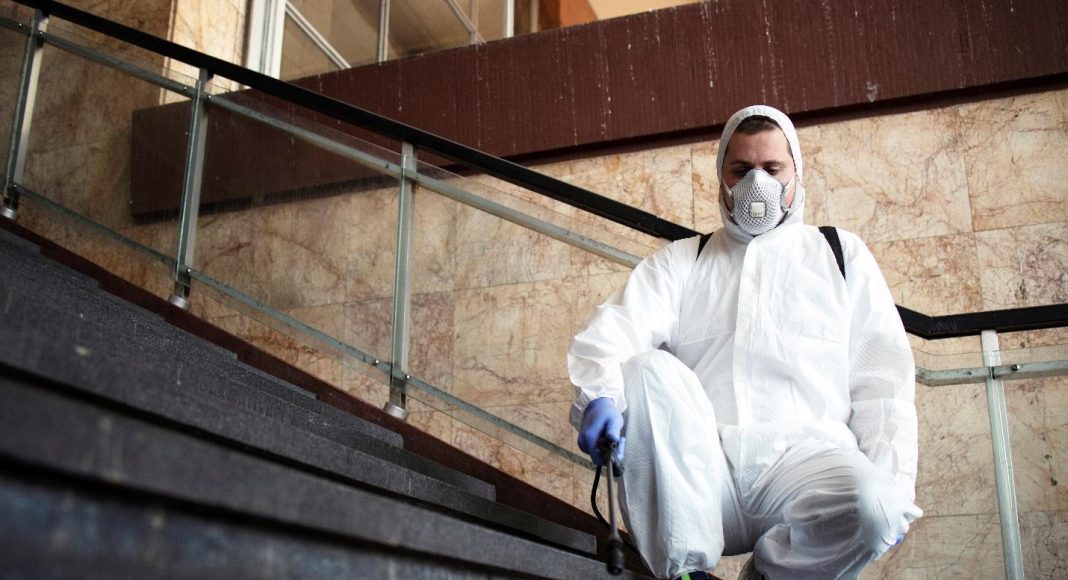
Asbestos removal in commercial buildings is a big concern amongst the owners of buildings, the managers of the properties, and the operators of the businesses. A large number of older commercial buildings still have asbestos either in the roofing, insulation, flooring, or walling.
Asbestos is no longer a popular product due to its longevity and fireproofing properties, but rather a material that is proven to be harmful when not kept in place. The problem is that asbestos is not necessarily visible, and mishandling of it may expose employees, customers, and contractors to danger. This article outlines the commercial asbestos removal and the way to deal with it safely.
What is Asbestos
Asbestos refers to a set of naturally formed minerals, which were often used in the commercial construction process until the time when strict regulations were enacted. You can come across it in ceiling tiles, pipe insulation, sprayed coatings, and cement panels, as well as floor adhesives.
The small fibers of asbestos are able to get airborne, and when inhaled, the fibers may result in severe conditions in the health state of the body, like lung disease and cancer. That is why commercial asbestos removal is strictly regulated and should be performed by trained professionals.
Importance of Commercial Asbestos Removal
Asbestos is not only a health issue in the case of commercial premises. It also poses a legal and financial risk. In the event that the asbestos is not dealt with effectively or removed properly, the businesses might encounter:
- Staff and visitor health hazards.
- Legal fines and regulatory fines.
- Postponements in projects in case of renovations or demolition.
- Loss of property value
Asbestos removal used commercially protects people, makes sure that all the safety rules are followed, and costs people no money in the future.
When is Asbestos Removal Necessary
It is not necessary that all asbestos must be removed immediately. In other instances, it is manageable without any danger as long as it is well-maintained and is not likely to be disrupted.
Commercial asbestos removal is normally necessary when:
- The materials are broken or worn out.
- Asbestos may be disturbed during renovation or repair.
- Demolition is planned.
- Exposure hazards are determined in risk assessments.
Asbestos Removal Process
1. Inspection and Survey
An approved survey recognizes materials that contain asbestos and determines the level of risk.
2. Planning and Risk Assessment
An elaborate elimination program is developed, including safety precautions, containment, and schedules.
3. Controlled Removal
The removal of asbestos is done by licensed professionals using special equipment and protective gowns so that it can be removed safely without contaminating the air.
4. Waste Disposal
The waste asbestos is covered, marked, and transported to the authorized disposal sites.
5. Final Clearance
The area has been tested and inspected by air tests, which ensure that it is safe to reoccupy.
Choosing the Right Asbestos Removal Contractor
All contractors are not the same. A qualified contractor will clarify the process, and he will not rush to achieve the objectives without consideration of safety.
Look for:
- Correct licensing and certifications.
- Commercial project experience.
- Well-documented and safety procedures.
- Transparent pricing and schedules.