

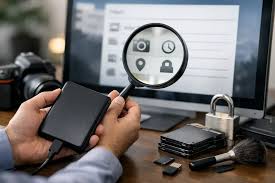
Digital evidence can change without obvious visual signs. Opening, exporting, renaming, converting, forwarding, or moving a file may alter timestamps or other information associated with it. When a file may matter to a dispute, investigation, insurance claim, employment issue, or lawsuit, preservation should begin before unnecessary handling changes the original record.
Understand What Metadata Can Add
Metadata is information associated with a digital object. Depending on the system and file type, it may include timestamps, file properties, device information, application details, message headers, location information, or other technical attributes.
The National Institute of Standards and Technology notes that digital evidence presents preservation challenges different from traditional physical evidence. Its digital evidence preservation guidance discusses handling considerations for digital objects and storage media. NIST
| Digital Item | Useful Context | Preservation Concern |
|---|---|---|
| Headers and attachments | Forwarding may change context | |
| Photograph | Original file data | Editing creates new versions |
| Document | Creation and modification data | Re-saving may alter properties |
| Message export | Dates and participants | Partial exports lose context |
Keep an Original Before Working With Copies
Avoid experimenting on the only available file. Where appropriate, preserve an original version and perform ordinary review on a separate working copy.
People researching a dispute may consult broader legal information topics, but general legal reading cannot recreate missing technical evidence. Once original data has been overwritten or stripped from a file, recovering it may be difficult or impossible.
Preserve Surrounding Context Too
A single screenshot of a message can omit the conversation before or after it. Likewise, a photograph without its source file may lose information that helps establish when or how it was created.
Preserve related messages, attachments, account details, file paths, and other lawful context that helps explain what the item represents.
Avoid Unnecessary File Conversion
Printing a document to PDF, copying text into another program, compressing an image, or taking a screenshot may create useful viewing copies, but those versions are not necessarily equivalent to the original digital object.
General legal dispute coverage may discuss evidence problems at a broad level. For a particular matter, the important question is whether the preservation method retained the information that may later be relevant.
NIST emphasizes that preservation practices should account for the distinctive characteristics of digital evidence and the possibility of changes during handling. NIST
Keep a Record of Handling
For significant evidence, note when it was obtained, where it came from, where it was stored, whether copies were created, and who handled it. More formal matters may require stronger chain-of-custody procedures.
The same principle of keeping contemporaneous records appears throughout many kinds of disputes, including the documentation issues discussed in legal rights publications. With digital material, the record should focus specifically on the source and handling history of each file.
Do not alter metadata intentionally in an effort to strengthen a position. Authenticity questions can become more serious if records appear manipulated.
What People Often Get Wrong About Screenshots
Screenshots are convenient, but they are not a perfect substitute for original files. They usually capture what appeared on a screen while omitting some underlying metadata, headers, account information, or technical properties.
The opposite mistake is assuming metadata automatically proves everything. Metadata must be interpreted in context because systems, settings, syncing, copying, and software behavior can affect particular fields.
When Professional Help May Be Needed
Consider legal or forensic assistance when evidence relates to active litigation, a preservation notice, suspected fraud, deleted files, contested authenticity, workplace investigations, intellectual-property disputes, or substantial financial claims.
Avoid performing aggressive recovery or forensic operations yourself when doing so could modify the device or data. A qualified forensic professional can determine an appropriate acquisition method, while legal counsel can address preservation duties and evidentiary requirements that apply to the dispute.
Frequently Asked Questions
Does renaming a file destroy its evidence value?
Not automatically, but handling can change certain file-system information or create questions about what happened. Preserve the original whenever possible and document any copies or later changes.
Is a screenshot considered digital evidence?
A screenshot can be evidence, but its weight and usefulness depend on context and authenticity. Saving the underlying message, page, file, or account information may provide details the screenshot alone does not contain.
Should deleted files be recovered immediately?
Not through improvised methods when the matter is important. Recovery activity can potentially affect existing data. Significant legal or investigative situations may justify advice from a qualified forensic professional before further handling.
Preserve Before You Analyze
Digital evidence is most useful when its original form and surrounding context remain intact. Preserve the source file, limit unnecessary conversions, work from copies, and document how the material was obtained and handled. If the evidence may affect a serious dispute, getting preservation guidance early can prevent an avoidable technical mistake from becoming an evidentiary problem later.
This article provides general legal information and is not a substitute for advice from a qualified attorney about a specific situation.