

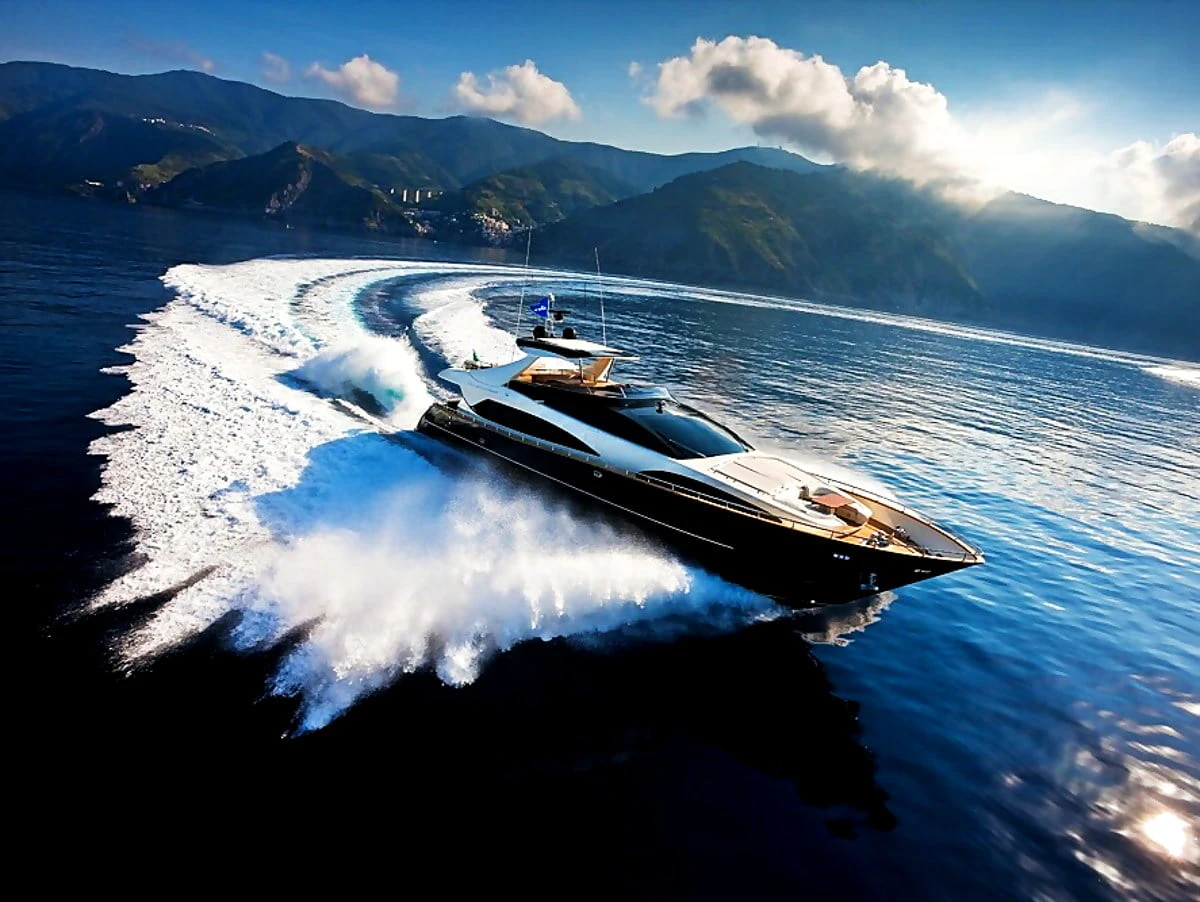
In an age where travel is often defined by speed, efficiency, and packed itineraries, slow travel offers a refreshing alternative. It is a philosophy that values depth over distance and experience over accumulation. Traveling by boat embodies this mindset naturally. On the water, movement is measured, days unfold gradually, and the journey becomes as meaningful as the destination itself.
Slow travel on the water invites you to step out of the rush and rediscover what it means to truly explore. Instead of racing through landmarks, you linger. Instead of checking destinations off a list, you build a relationship with places, people, and moments.
Letting the Journey Lead
Boat travel resists rigid schedules. Wind, weather, tides, and currents all influence progress, encouraging flexibility and patience. Rather than fighting these elements, slow travelers learn to adapt to them. This shift in control is not a limitation—it is a liberation.
When plans change, new opportunities often emerge. A delayed departure may lead to an unexpected conversation in a harbor café. A detour may reveal a quiet anchorage that becomes the highlight of the journey. Slow travel allows space for these unplanned moments to take shape.
Time Regained, Not Lost
One of the greatest misconceptions about slow travel is that it wastes time. In reality, it reclaims it. On a boat, time is no longer fragmented into rushed segments. Mornings begin with light filtering across the water, not alarm clocks. Evenings close with sunsets rather than notifications.
This continuity creates a sense of flow. Activities like reading, cooking, swimming, or simply watching the horizon blend seamlessly into the day. Without constant transitions, the mind relaxes, and experiences feel fuller and more memorable.
A Deeper Sense of Place
Slow travel by boat fosters intimacy with destinations. Approaching a town from the water offers context—its geography, working harbor, and relationship with the sea. Staying longer allows you to notice patterns: when fishermen return, how tides shape daily routines, and where locals gather.
Because boat travelers often remain in one area for days or weeks, relationships develop naturally. Conversations go beyond surface-level exchanges, and cultural understanding deepens. This kind of connection is difficult to achieve when moving quickly from place to place.
Living Simply, Living Well
Life on a boat encourages simplicity. Space is limited, routines are streamlined, and possessions are chosen carefully. This simplicity is not restrictive; it is clarifying. With fewer options and distractions, daily decisions become easier and less mentally taxing.
Comfort still matters, especially when spending long hours outdoors. Reliable gear supports enjoyment without demanding attention. Well-designed clothing such as Sailing Clothing Helly Hansen helps travelers stay warm, dry, and comfortable across changing conditions, allowing focus to remain on the experience rather than discomfort.
Mindfulness Through Movement
Slow travel on the water naturally cultivates mindfulness. The steady motion of the boat, the sound of water against the hull, and the awareness of weather changes keep you grounded in the present. There is little room for multitasking; attention stays with what is happening now.
This awareness extends to simple actions. Preparing a meal, adjusting lines, or swimming from the boat becomes an intentional act rather than a rushed task. Over time, this mindset often carries back into everyday life, long after the journey ends.
Nature as a Daily Companion
Unlike land-based slow travel, boat travel places nature at the center of each day. Weather is not something you avoid—it is something you observe and respect. Wind direction matters. Clouds signal change. Light shapes mood and movement.
Wildlife encounters become part of the rhythm of travel rather than rare events. Birds, fish, and marine mammals appear without announcement, reminding travelers that they are moving through a living environment. This constant presence of nature reinforces humility and appreciation.
Comfort Without Excess
Slow travel does not mean sacrificing comfort; it means redefining it. Comfort comes from reliability, familiarity, and thoughtful preparation rather than luxury. Wearing dependable gear, cooking familiar meals, and maintaining a clean, organized space all contribute to a sense of well-being.
For many travelers, practical clothing choices become essential. Sailing Clothing Helly Hansen is often valued for its balance of durability and comfort, especially during long periods exposed to wind and water. When physical needs are met, mental relaxation follows naturally.
The Value of Staying Put
One of the most powerful aspects of slow boat travel is the willingness to stay. Staying allows places to reveal themselves gradually. You notice changes in weather, light, and activity that short visits miss entirely.
Staying also reduces the pressure to constantly “move on.” There is satisfaction in familiarity—knowing the best swimming spot, the quietest anchorage, or the friendliest dock. These small anchors create a sense of belonging, even far from home.
A Shift That Lasts
Traveling slowly by boat often changes how people view time, success, and fulfillment. Many return home with a desire to simplify, to rush less, and to prioritize experiences over schedules. The water teaches that progress does not always need to be fast to be meaningful.
With the right mindset and supportive essentials like Sailing Clothing Helly Hansen, slow travel becomes less about distance covered and more about depth gained. It is an invitation to explore not just the world, but a calmer, more intentional way of moving through it.